


Guide to Petrified Wood Identification

Petrified wood is a fascinating natural treasure. It looks like wood but is actually stone. Many people find it beautiful and mysterious. If you want to collect or gift petrified wood, knowing how to identify it is key. I’ll walk you through the basics of recognizing petrified wood, what to look for, and how to tell it apart from other stones.
What Is Petrified Wood?
Petrified wood forms when wood is buried under sediment and mineral-rich water flows through it. Over time, the organic material is replaced by minerals like quartz, turning the wood into stone. This process can take millions of years.
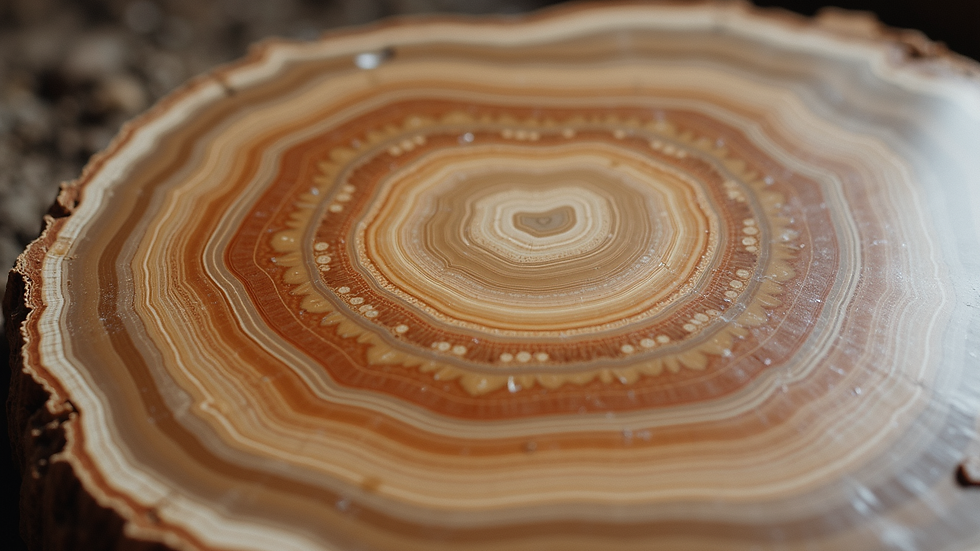
The result is a fossil that keeps the original wood’s structure, including rings and grain. It often looks like a colorful stone with wood patterns.
Petrified wood is not just a rock. It tells a story of ancient forests and geological change. That’s why it’s so special to collectors and nature lovers.
How to Identify Petrified Wood
Identifying petrified wood can be tricky because it looks like both wood and stone. Here are some simple tips to help you spot it:
Look for wood grain and rings
Petrified wood keeps the texture of the original wood. You should see rings, knots, or grain patterns. These details are usually clear on polished pieces.
Check the weight
Petrified wood is heavier than regular wood because it’s made of stone. If it feels too light, it might be a fake or regular wood.
Feel the surface
The surface of petrified wood is smooth and hard, especially if polished. It won’t feel like regular wood, which is softer and porous.
Observe the colors
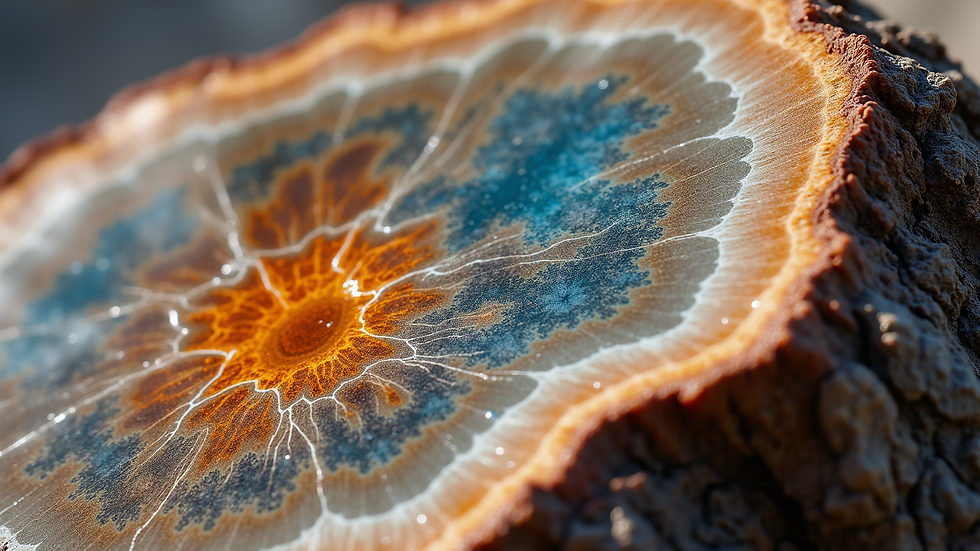
Petrified wood comes in many colors, including brown, red, yellow, and even blue or green. These colors come from minerals like iron, manganese, and copper.
Test hardness
Petrified wood is quite hard, usually around 7 on the Mohs scale. It can scratch glass, unlike regular wood.
Look for fractures
When broken, petrified wood shows a glassy or crystalline fracture, not splinters like wood.
If you want to learn more about petrified wood identification, you can find detailed guides and tools online. For example, Ben’s Rock & Gem offers a great selection of hand-picked petrified wood pieces that show these features clearly.
Tools and Products That Help with Identification
Using the right tools can make identifying petrified wood easier. Here are some helpful items:
Magnifying glass or jeweler’s loupe
This helps you see the fine details of the wood grain and mineral crystals.
Hardness test kit
A kit with different minerals or tools can help you test the hardness of your sample.
Polishing kit
Polishing a rough piece can reveal the wood’s grain and colors better.
One product I recommend is the Petrified Wood Polishing Kit from Ben’s Rock & Gem. It’s designed for beginners and collectors to bring out the natural beauty of their pieces.
Common Mistakes to Avoid
When identifying petrified wood, people often make these mistakes:
Confusing petrified wood with regular wood
Some wood looks old and hard but is not petrified. Always check weight and hardness.
Mistaking other stones for petrified wood
Some stones have wood-like patterns but lack the grain and rings of real petrified wood.
Ignoring color variations
Petrified wood can have many colors. Don’t assume it must be brown or tan.
Not using tools
Relying only on sight can lead to errors. Use magnification and hardness tests.
Where to Find Petrified Wood
Petrified wood can be found in many places around the world. Some famous locations include:
Petrified Forest National Park, Arizona
One of the largest and most famous petrified wood sites.
Florissant Fossil Beds, Colorado
Known for well-preserved petrified wood and fossils.
Ginkgo Petrified Forest, Washington
Offers unique petrified wood with ginkgo leaf imprints.
If you want to buy petrified wood, look for trusted sellers who provide natural, hand-picked pieces. Ben’s Rock & Gem offers a wide range of authentic petrified wood specimens, perfect for collectors and gift-givers.

Caring for Petrified Wood
Petrified wood is durable but still needs care to keep its beauty:
Keep it clean
Use a soft cloth to wipe dust. Avoid harsh chemicals.
Avoid extreme temperatures
Sudden changes can cause cracks.
Store properly
Keep in a dry place away from direct sunlight to prevent fading.
Handle with care
Though hard, petrified wood can chip or break if dropped.
If you want to display your petrified wood, consider stands or cases that protect and highlight its features. Ben’s Rock & Gem also offers display options that fit well with natural decor.
Why Collect Petrified Wood?
Collecting petrified wood connects you to Earth’s history. Each piece is unique and tells a story. It makes a great gift for nature lovers or a special addition to your home.
Petrified wood also has a calming, grounding energy. Many people use it in meditation or as a decorative stone.
If you want to start your collection, look for pieces that show clear grain and color. Buying from trusted sources ensures you get real petrified wood.

Petrified wood is a beautiful link to the past. Knowing how to identify it helps you appreciate its value and uniqueness. Use simple tools, observe details, and trust your senses. Whether you collect, gift, or just admire, petrified wood offers a special connection to nature.
For those interested in exploring more, check out the selection and resources at Ben’s Rock & Gem. They provide quality pieces and helpful guides to support your journey with natural stones.
Start your adventure with petrified wood today and discover the stories hidden in stone.
Comments