


Petrified Wood Guide: How to Identify and Appreciate Nature’s Stone Treasures

Petrified wood fascinates many people. It looks like wood but feels like stone. This natural wonder forms when wood turns to stone over millions of years. If you want to learn how to spot and identify petrified wood, you are in the right place. I will share simple tips and clear examples to help you recognize these beautiful fossils. Whether you collect rocks, want a unique gift, or just love nature, this guide will help you enjoy petrified wood even more.
What Is Petrified Wood? A Simple Explanation
Petrified wood forms when fallen trees get buried under sediment. Over time, minerals like silica replace the wood’s organic material. This process, called permineralization, preserves the wood’s structure but turns it into stone. The result is a fossil that looks like wood but is actually quartz or other minerals.
You can find petrified wood in many colors. These colors come from different minerals. For example, iron can make red or orange hues. Manganese can add black or purple shades. This variety makes each piece unique and interesting.
Petrified wood is hard and heavy. It does not feel like regular wood. Instead, it feels like a smooth, polished rock. This difference is one of the easiest ways to tell if you have real petrified wood.
Petrified Wood Guide: How to Identify It in the Field
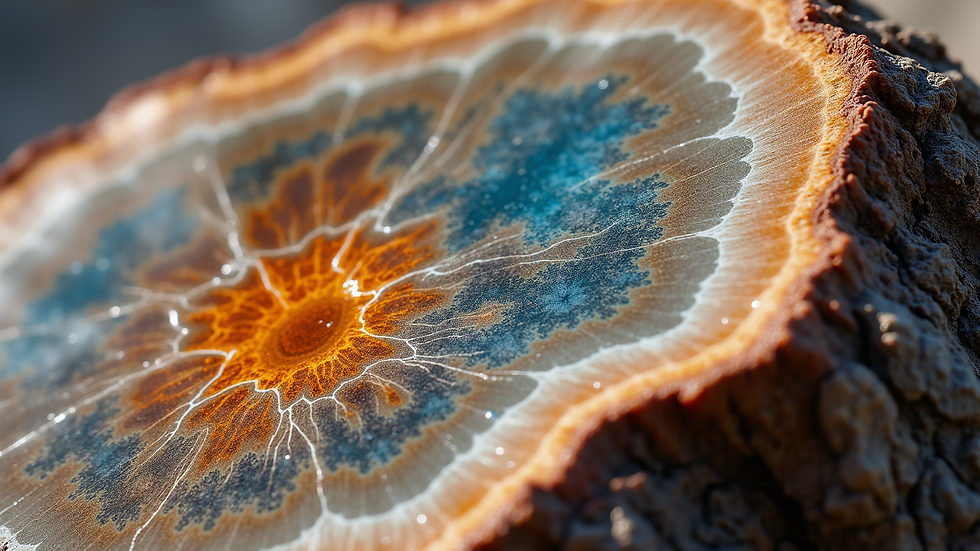
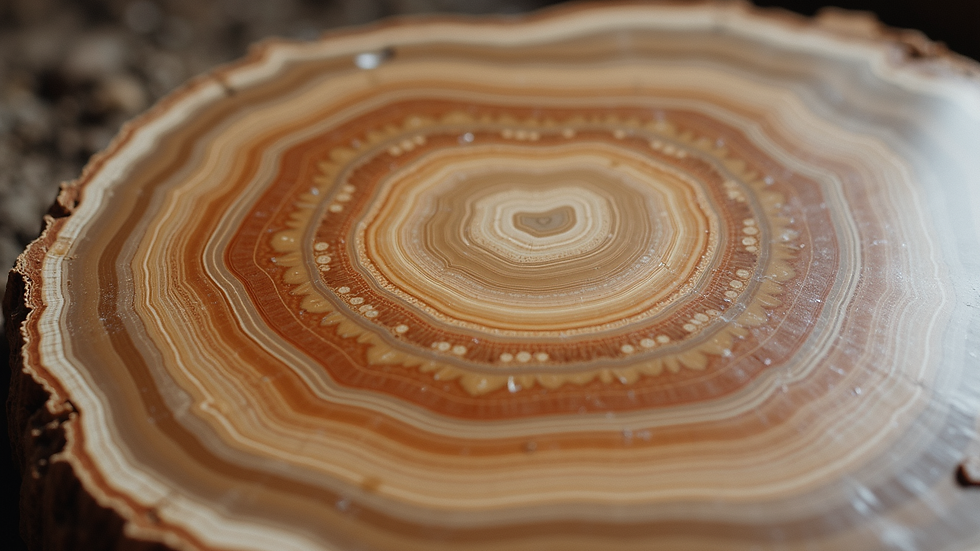
When you look for petrified wood, start by checking the texture. Real petrified wood keeps the grain and rings of the original tree. You might see bark patterns or growth rings. These details help confirm that the rock was once wood.
Next, test the weight. Petrified wood is much heavier than normal wood. If it feels light, it might be a fake or a different type of rock. You can also try a simple scratch test. Petrified wood is very hard and cannot be scratched easily with a knife or nail.
Look at the edges. Petrified wood often breaks with sharp, clean edges. The broken surface usually shows a shiny or glassy look. This shine comes from the quartz or other minerals inside.
Color is another clue. While petrified wood can be many colors, bright or unusual colors often mean mineral replacement. If you see bright reds, blues, or greens, it is likely petrified wood or a similar fossil.
Finally, consider the location. Petrified wood is common in areas with ancient forests and volcanic activity. If you find wood-like rocks in these places, they are more likely to be petrified wood.
Tools and Tips for Collecting Petrified Wood
If you want to collect petrified wood, bring some basic tools. A small hammer and chisel help you break rocks safely. Always wear safety glasses to protect your eyes from flying chips.
Carry a magnifying glass or hand lens. This tool helps you see fine details like wood grain and mineral crystals. A field guide or smartphone app can also help you compare your finds with known samples.
When you collect, respect the environment. Only take small pieces and avoid protected areas. Always follow local laws and guidelines for rock collecting.
Store your petrified wood in a safe place. You can polish some pieces to bring out their colors. Use fine sandpaper and a soft cloth for polishing. This process makes your collection shine and look even more beautiful.

How to Care for Your Petrified Wood Collection
Petrified wood is durable but still needs care. Keep it clean by wiping with a soft, damp cloth. Avoid harsh chemicals or abrasive cleaners that can damage the surface.
If you polish your pieces, apply a light coat of mineral oil to enhance the shine. Reapply the oil every few months to keep the wood looking fresh.
Store your collection in a dry place. Avoid extreme temperatures or humidity, which can cause cracks or damage.
Display your petrified wood on shelves or in glass cases. Use stands or cushions to protect delicate pieces. This way, you can enjoy their beauty and keep them safe.
Why Petrified Wood Makes a Unique Gift or Decor
Petrified wood is more than just a rock. It tells a story of ancient forests and time passing. Giving petrified wood as a gift shows thoughtfulness and a love for nature.
These fossils make great home decor. They add natural beauty and a touch of history to any room. You can use them as bookends, paperweights, or display pieces.
Collectors appreciate the variety and rarity of petrified wood. Each piece is unique, with its own colors and patterns. This uniqueness makes it a special treasure for anyone who loves the Earth’s natural wonders.
If you want to learn more or find your own piece, check out this petrified wood identification resource. It offers helpful tips and hand-picked specimens for sale.
Exploring the Beauty of Petrified Wood Every Day
I hope this guide helps you see petrified wood in a new light. It is a fascinating link between the past and present. By learning how to identify and care for it, you can enjoy these natural treasures for years.
Remember, every piece of petrified wood has a story. Whether you find it on a hike or buy it online, it connects you to the Earth’s history. Take your time to explore and appreciate its beauty.
Happy collecting!
Comments